Max Factor
The Polish-born cosmetician who invented makeup for the camera and turned Hollywood glamour into a product anyone could buy.
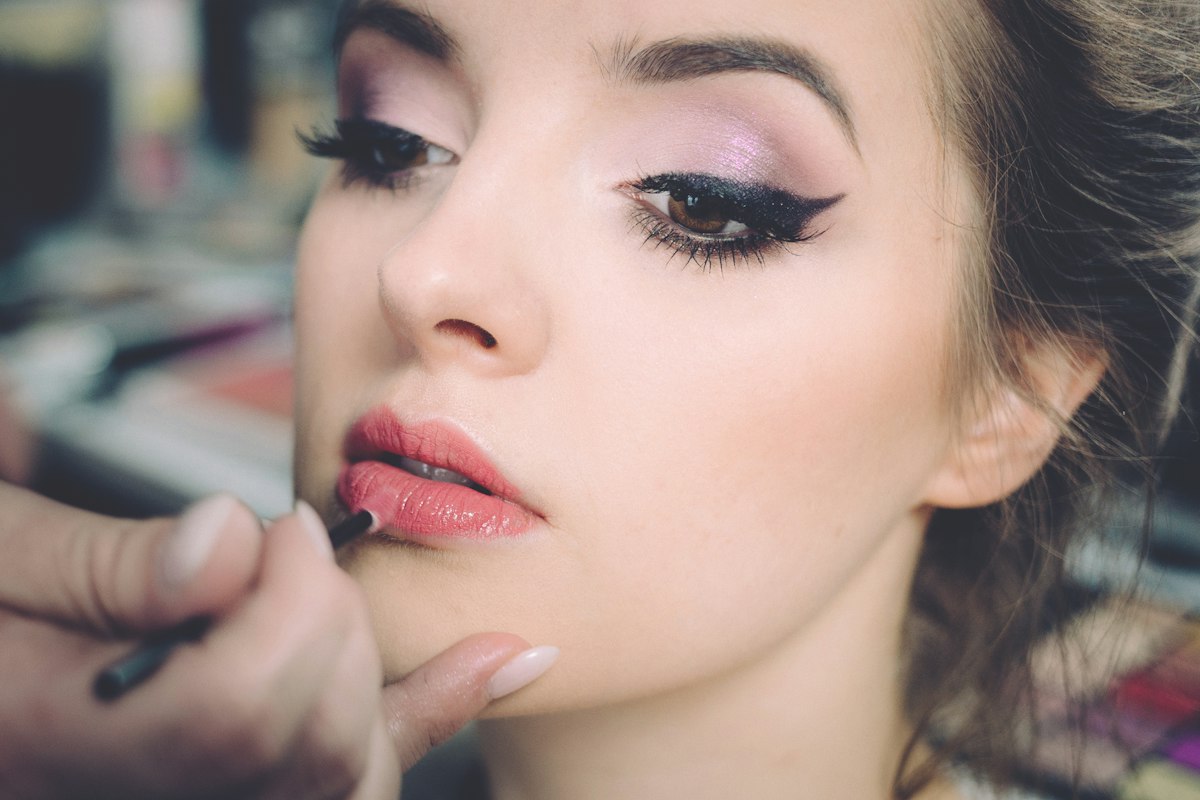
Max Factor was a wigmaker and cosmetician who understood a new problem better than anyone else in his field: film cameras changed the way makeup looked. A face that appeared natural in a room could look flat or strange on screen, and the lighting of a studio created problems that no ordinary cosmetic could solve. He built a career on solving them.
Born Maksymilian Faktorowicz in 1877 in Poland, he trained as a wigmaker and worked in the theatre before emigrating to the United States in 1909. He settled in Los Angeles just as the film industry was beginning to grow, and he found his place in it almost immediately.
The move to America
Factor arrived in the United States with his family and set up as a wigmaker and cosmetician. His background in the theatre had taught him how to make performers look right under stage lights, and he applied the same thinking to the new medium of film.
The story that he made up the Russian royal family, and even that he treated Rasputin, is part of the legend that grew around him. It may be exaggerated, but it reflects the range of his early work and the aura of expertise he cultivated. By the time he reached Hollywood, he was a skilled practitioner with a clear idea of what the camera required.
He opened a shop in Los Angeles and began working with actors and studios. The timing was ideal. The film industry was expanding rapidly, and no one had yet developed a systematic approach to makeup for the screen.
Makeup for the camera
Factor’s key insight was that film makeup was a separate craft. The camera and the lighting changed everything. A red that looked right to the eye appeared dark on film, and skin that looked healthy in person could appear pale or greasy under studio lights.
He developed products specifically for film. A preparation called Pancake, a heavy cream makeup, was designed to give an even base that read well on camera. He also worked on lipsticks and powders with the same purpose, and he created a range of shades that were chosen for how they photographed rather than how they looked in a tube.
His reputation grew, and actors began to come to him directly. He worked on productions and advised studios, and his name became associated with the look of the stars. When audiences saw a glamorous face on screen, they were increasingly seeing Factor’s work.
Color harmony
Factor’s most influential idea was that makeup should be matched to the individual. He called it Color Harmony, and it involved choosing shades according to a person’s skin tone, hair colour and eye colour. The system was developed in the 1920s and 1930s and was used in his salons and shops.
The idea was both practical and clever. It gave customers a reason to buy several products and a method for choosing them, and it made the process feel expert rather than arbitrary. A woman could be told which shades suited her, and the advice gave her a result she could trust.
Color harmony also addressed a real problem. Most cosmetics of the period came in a small number of shades, and a customer had little guidance. Factor’s system made the choice easier and helped establish the idea that makeup should be personal.
Bringing the look to the public
Factor did not want his products to remain a secret of the film industry. In the late 1920s and 1930s he began selling to the public, under the name Max Factor’s cosmetics. The promise was that a woman could buy the same products the stars used, and the association with Hollywood was central to the appeal.
He introduced false eyelashes to the American market in the 1930s, and he developed products that created the defined eyes and smooth complexion of the screen. The packaging and the advertising used the names of stars, and the brand became a bridge between the glamorous world of film and the ordinary consumer.
The company also published guides and trained staff in the method, so that a customer could learn to apply the products as a makeup artist would. The education was part of the sale, and it reinforced the idea that the brand had special knowledge.
The business
Max Factor built one of the largest cosmetics companies in the world. He died in 1938, and his son, Max Factor Jr., took over. The company continued to expand, and the brand became a standard name in department stores and drugstores.
The company later passed through several owners and was eventually acquired by a large consumer goods group. The brand is still sold today, though its position has changed, and it no longer carries the authority it had in the studio era.
Many of the products Factor developed are no longer made in their original form, but the idea behind them remains. Makeup designed for photography, matched to the individual and sold with instruction is the basis of much of the industry today.
The studio years
Factor worked with the major studios at a time when the film industry was establishing its visual language. Each studio had its own approach to lighting, and each required a slightly different kind of makeup. He developed products that could be used in these conditions and advised the people who applied them.
The work demanded a practical understanding of how colour behaves on screen. A shade that looked right in daylight might register differently under the strong lamps of a set, and the cameras of the period were sensitive in ways that modern cameras are not. Factor’s formulas were developed through observation and repeated testing rather than through theory.
The experience gave him a body of knowledge that no one else had, and it became the foundation of the brand. When he sold products to the public, he was selling the accumulated experience of years spent on film sets.
False lashes and new techniques
Among the innovations associated with Factor was the introduction of false eyelashes to the American market. They had been used in film in various forms, and he developed a version that could be worn by ordinary women. The product was typical of his approach: something developed for the camera being adapted for everyday use.
He also promoted techniques for shaping the brows and defining the eyes, and he taught these methods in his salons. The look he championed was polished and deliberate, and it was built through a series of products that worked together.
The idea that a makeup look is constructed step by step, with each product doing a specific job, owes a great deal to the methods he developed for film and then taught to the public.
The legacy
Max Factor’s importance is that he recognised a new medium and invented a practice to serve it. Film created a problem that no existing cosmetic could solve, and he solved it systematically, from the formula to the method of application to the teaching of that method.
He also understood the commercial value of the connection. The glamour of Hollywood was something ordinary women wanted, and he sold a way to share in it. That combination of technical insight and an eye for what customers wanted is the reason his name survived.
The company after Max
After Max Factor’s death in 1938, his son took over a business that was already larger than the one his father had built. The company continued to supply the film industry and to sell to the public, and the name became one of the best-known in American cosmetics. Over the decades it passed through a series of owners and was eventually bought by a large consumer goods group.
The products changed with the times, and the association with Hollywood faded as the studio system itself changed. The brand still exists, though it no longer carries the authority it had when the founder was personally involved. His real legacy is not a particular tube of lipstick but the method he established: makeup built around the needs of the camera and taught as a craft.
The look he created
The face that Max Factor built for the screen was carefully constructed. It had smooth skin, defined eyes and a mouth that read clearly at a distance, and it was designed for the camera rather than for ordinary conversation. When the look was transferred to the public, it changed what women expected from their own makeup.
This was his lasting effect. He showed that a look could be designed, named and sold as a complete system, and he taught the people who applied it. The modern idea of a makeup look, built step by step with products that work together, descends directly from the methods he developed for film.