Retinol
The vitamin A derivative with the strongest evidence for ageing skin, and how to use it without irritating your face.
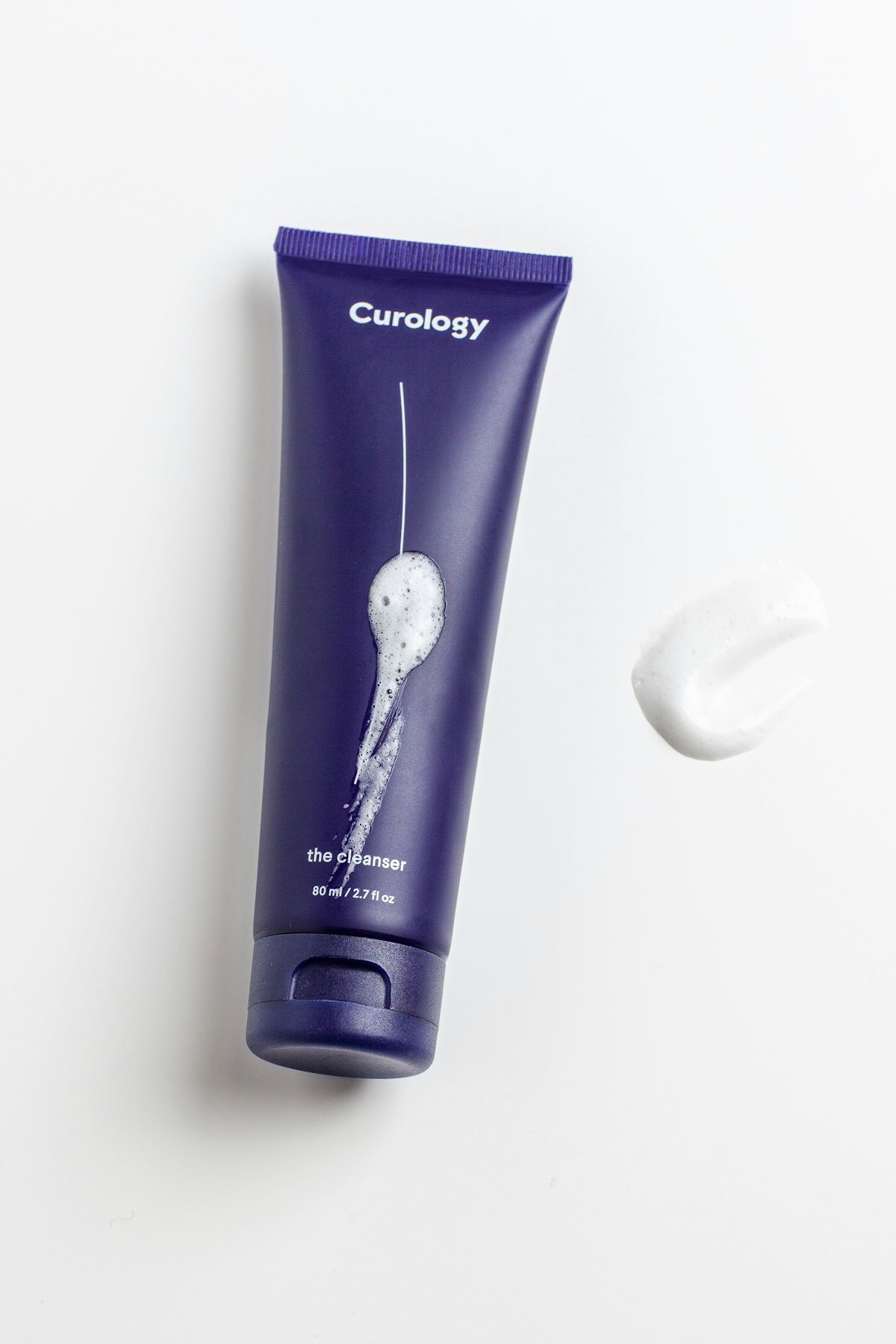
Retinol has more evidence behind it than almost any other skincare ingredient. It is a form of vitamin A, and it works by changing the way skin cells behave. Used consistently, it can soften fine lines, improve texture and help with acne. Used badly, it can leave the skin red, flaky and sore for weeks.
The gap between those two outcomes is mostly a matter of method. Retinol is not a gentle ingredient, and the way it is introduced matters more than the brand on the bottle.
What retinol is
Retinol is one of a group of compounds related to vitamin A. In the skin, it is converted in steps to retinoic acid, the form that cells actually use. Retinoic acid binds to receptors in the nucleus of skin cells and changes the expression of a number of genes. Those changes affect how fast cells divide, how they mature and how much collagen they produce.
This is why retinol is described as a treatment rather than a cosmetic. It alters the biology of the skin, not just the way the surface looks. That is also why it can cause side effects: a substance that changes cell behaviour will affect the skin in ways that are not always comfortable.
The word retinol is often used loosely to cover the whole family of retinoids. Strictly, retinol is one member. Retinal, retinyl palmitate, adapalene, tretinoin and tazarotene are others, and they differ in strength and in how much conversion they need before they become active.
A short history
Vitamin A was identified in the early twentieth century, and its importance to health was established through work on nutrition. By the 1950s and 1960s, researchers were studying the effect of vitamin A derivatives on the skin, including their effect on acne.
Tretinoin, the prescription form of retinoic acid, was approved for the treatment of acne in the 1970s. It was sold under the brand name Retin-A and became one of the first topical treatments with a clear mechanism and real results. Dermatologists began to notice that patients using it for acne also had smoother skin with fewer fine lines, which led to its use for ageing.
Retinol itself, the over-the-counter form, became common in cosmetics from the 1980s onward. It is weaker than tretinoin because the skin has to convert it, but it is also less irritating and can be sold without a prescription. Over the decades, companies have developed delivery systems and gentler formulations to make it easier to use.
What it does for the skin
Retinol works on several of the changes that come with age. It speeds up the turnover of skin cells, so dead cells are shed more quickly and the surface looks brighter and smoother. It stimulates the production of collagen, the protein that gives the skin its structure, which can make fine lines less noticeable. It also helps to keep the pores clear, which is why it is used for acne.
The evidence for these effects is stronger than for most cosmetic ingredients. Studies of tretinoin in particular have shown improvements in fine lines, in uneven pigmentation and in the overall appearance of aged skin. Retinol is less potent, but it follows the same pathway and has been shown to produce similar, if smaller, changes.
The results take time. A person who starts retinol will not see a difference in a week. Most studies run for several months, and the visible changes generally appear after eight to twelve weeks of consistent use. The irritation, by contrast, tends to appear early, which is why many people give up before they see any benefit.
Retinoids are not all the same
The family of retinoids ranges from mild to strong. Retinyl palmitate is a weak form that must go through several conversion steps, and it is used in products for sensitive skin. Retinol is stronger and is the standard over-the-counter ingredient. Retinal is closer to the active form and may work faster, though it is less common.
Adapalene is a synthetic retinoid that was originally available only on prescription and is now sold over the counter in many countries for acne. Tretinoin is the prescription form of retinoic acid and is the strongest of the group used in skincare. Tazarotene is stronger still and is used for specific conditions.
Choosing among them is a matter of the problem being treated and the tolerance of the skin. A person with mild texture concerns may do well with retinol; a person with persistent acne may need adapalene or tretinoin and the guidance of a doctor.
Concentration and formulation
Over-the-counter retinol products typically contain between about 0.1 and 1 percent retinol. Higher concentrations are not necessarily better, since the limiting factor is often irritation rather than strength. A well-formulated product at a lower concentration can produce better results than a high-percentage product that cannot be used regularly.
The formulation matters as much as the percentage. Encapsulated retinol is released slowly, which reduces irritation. Products that include moisturising ingredients such as glycerin or ceramides can help the skin tolerate the treatment. A cream is generally gentler than a gel, since the oil in a cream buffers the effect.
Packaging also matters. Retinol breaks down when exposed to light and air, so it is usually sold in an opaque or airless container. A product in a clear jar may have lost much of its strength by the time it is used.
How to start
The most common mistake is to use too much too soon. A sensible start is a pea-sized amount applied to a dry face two or three nights a week, increasing gradually as the skin adjusts. Applying it over moisturiser, a technique sometimes called sandwiching, reduces irritation. The goal is a routine that can be sustained, not one that produces a dramatic reaction in the first week.
Retinol is usually applied at night. Part of the reason is that it can increase sensitivity to sunlight, and part is simple habit. Sunscreen the next morning is essential, since the skin becomes more vulnerable to ultraviolet light while it is adjusting.
The first weeks often bring dryness, peeling and a little redness. This is sometimes called the retinization period, and it usually settles. If it does not, or if the skin becomes painful, the sensible response is to stop and start again at a lower frequency.
Who should be careful
Retinol is not suitable for everyone. It is generally recommended that women who are pregnant or trying to conceive avoid vitamin A derivatives in topical form, out of caution, even though the amount absorbed through the skin is small. The stronger oral retinoids are known to cause birth defects, and doctors tend to apply the same caution to topical products.
People with very sensitive skin, eczema or a damaged barrier should introduce it slowly or avoid it. A person whose skin is already irritated by other active ingredients should deal with that first. Retinol is also more likely to cause problems when combined with strong exfoliating acids, especially at the start.
Common misconceptions
One myth is that retinol thins the skin. In fact, it thickens the epidermis over time while improving its structure. The initial peeling can make the skin feel thinner, which is where the idea comes from. Another is that a stinging product is working harder. Irritation is a sign that the skin is struggling, not that the treatment is more effective.
Retinol is also often described as a cure for wrinkles. It can improve the appearance of fine lines, but it cannot reverse deep structural changes or replace the effects of sun damage that has accumulated over decades. It works best as part of a routine that includes daily sun protection.
Retinol and the sun
The relationship between retinol and sunlight is the reason dermatologists return to the subject so often. Retinol speeds up the turnover of skin cells, and newly exposed cells are more vulnerable to ultraviolet light. During the early weeks of use, when the skin is adjusting, the risk of sunburn is higher than usual.
This is not a reason to avoid retinol, but it is a reason to take sunscreen seriously. A broad-spectrum sunscreen of at least SPF 30, applied every morning, protects the investment that a person is making in the treatment. Without it, the damage from daily light exposure can cancel out the improvement the retinol is producing.
Many people use retinol in winter and stop in summer, which is a reasonable response to increased sun exposure. Others simply reduce the frequency. The important thing is consistency over the long term, and a routine that adapts to the season is more sustainable than one that does not.
The bottom line
Retinol is the most studied active ingredient in skincare, and its reputation is deserved. It changes the skin in ways that produce visible results, and it has evidence behind it that few other ingredients can match. The condition is patience: start slowly, use it consistently, wear sunscreen, and give it months rather than weeks. Used that way, it is one of the most effective tools available.