The History of Revlon
How nail enamel, Fire and Ice lipstick and television advertising made Revlon a byword for American beauty.
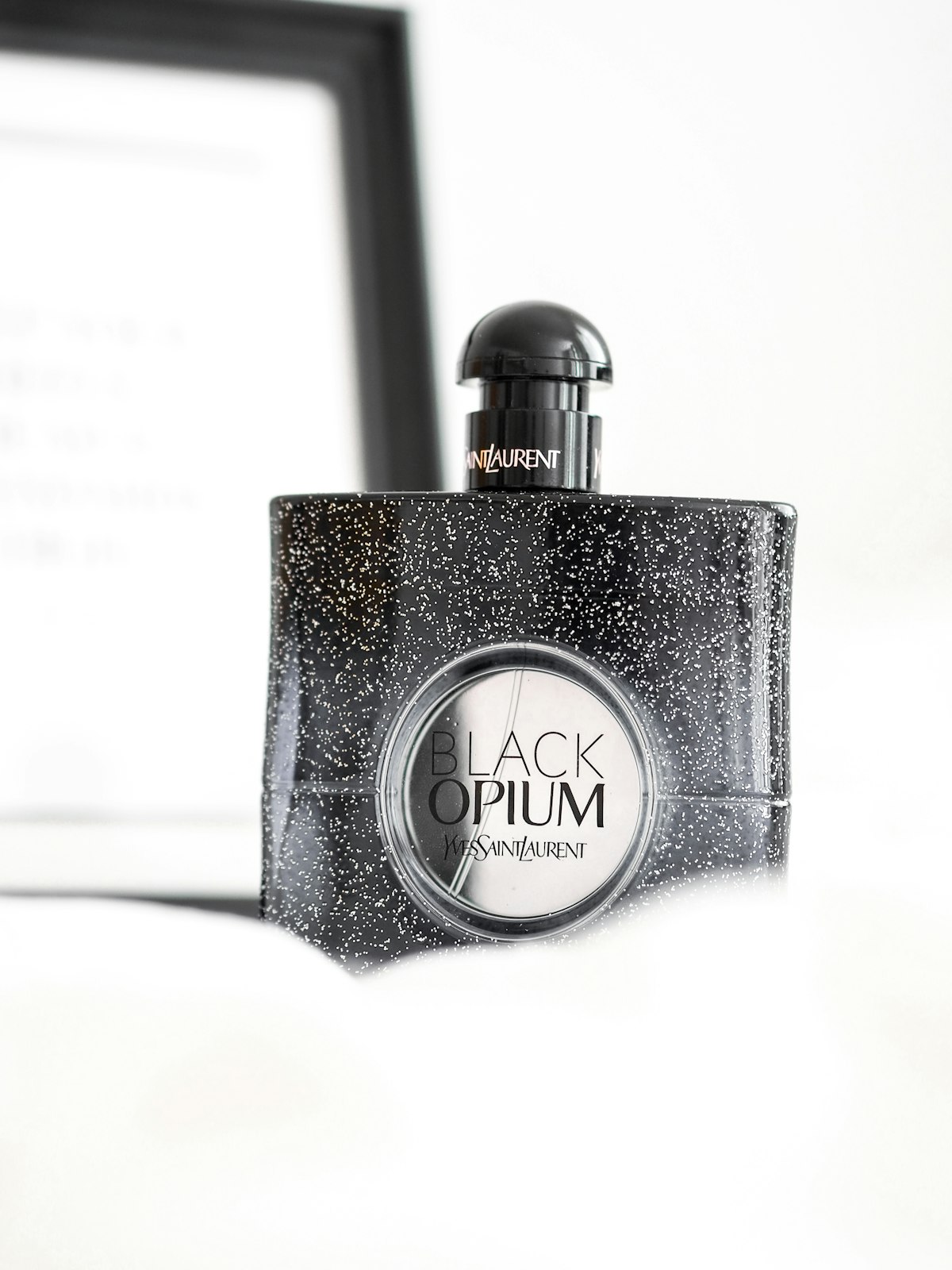
Revlon was built by a man who understood that a cosmetic could be sold as an idea. Charles Revson founded the company in 1932 with his brother Joseph and a partner, and the first product was nail enamel. At the time, nail polish was a novelty and a somewhat disreputable one. Revson saw that it could be made respectable and profitable.
For decades, Revlon was one of the most recognizable names in American beauty. Its advertisements appeared on television, its lipsticks were worn by film stars, and its name became almost a generic term for makeup in some households. The company’s later history was less happy, but the imprint it left on the industry remains.
The beginning
Charles Revson was the son of a Russian Jewish immigrant family and grew up in New York. He began working in the cosmetics trade as a young man, and by the early 1930s he had formed a company with his brother and a chemist. The first product was a nail enamel, sold under the Revlon name.
The early business was built on a simple insight: women wanted nails that looked polished, but the products available were unreliable. Revson worked on the formula and on the way it was sold. He approached salons first, since a manicure was a service that could demonstrate the product, and then moved into retail.
The company grew through the 1930s, adding lipstick and other colour cosmetics. Revson was involved in every part of the operation, and his perfectionism about colour became a company habit. He was known for rejecting shades that he thought were wrong and for demanding consistency from batch to batch.
Colour as the product
Revlon’s central idea was that colour itself was the thing being sold. A woman who chose a Revlon lipstick was not just buying a wax and pigment stick; she was choosing a shade that had been selected and named for her. The company developed a wide range of colours and gave them names that suggested moods and occasions.
This focus on colour shaped the way the products were made and marketed. A new shade could be launched as a event, and a colour could become fashionable for a season. The company also worked to match products across the range, so that a nail enamel and a lipstick could share a colour story.
Fire and Ice, a red lipstick launched in 1950, was the clearest expression of this approach. The product was promoted with a film of the same name and with advertising that linked the colour to a dramatic, glamorous image. The campaign is often cited as one of the first to sell a cosmetic through a story rather than a list of features.
Television and the mass market
Revlon was among the first beauty companies to use television seriously. In the 1950s, when television advertising was still new, the company bought time on popular programmes and made commercials that showed the product in use. The message was simple and repeated often.
The company also sponsored a television programme, The $64,000 Question, which became a major hit in the mid-1950s. The quiz show association put the Revlon name into millions of homes, and the brand became a household word. The strategy worked for a time, though the programme was later caught up in a quiz show scandal.
The mass-market appeal was deliberate. Revson wanted the products to be available in drugstores and to be priced so that ordinary women could buy them. A Revlon lipstick was not cheap, but it was within reach, and the brand sat between the drugstore basics and the exclusive salon lines.
Charlie and the 1970s
The 1970s brought one of the company’s biggest successes. Charlie, a fragrance launched in 1973, was aimed at a younger woman who worked and wanted to seem independent. The advertising showed a woman in trousers, with a sense of freedom that matched the mood of the decade. Charlie became one of the best-selling perfumes in the world and remained so for years.
The success of Charlie showed that Revlon could still create a product that spoke to a new generation. The company was quick to follow trends and to build campaigns around changing ideas of femininity. If the 1950s had sold glamour, the 1970s sold independence.
Charles Revson died in 1975. He had built the company into a major international business, and his death marked the end of an era. The company continued under other leadership, but the guiding hand was gone.
After the founder
The decades after Revson’s death were mixed. Revlon remained a well-known name and continued to launch products, but it lost some of the momentum that had driven it in the earlier years. The company was acquired and restructured several times, and it took on debt.
In the 2000s and 2010s, the brand focused on its core categories: colour cosmetics, fragrance and skin care. It introduced new lines and worked with celebrity ambassadors, but it no longer dominated the way it had in the mid-twentieth century. In 2022, the company filed for bankruptcy protection and was taken over by its lenders, a stark contrast with its earlier prominence.
The financial difficulties do not erase the brand’s place in history. Revlon established patterns that the whole industry adopted, and its products marked several decades of American beauty.
The products
Revlon’s range has always centred on colour. Nail enamel was the first product and remained important, with a wide range of shades and finishes. Lipstick followed, and the company’s formulas and colour names became part of the brand’s identity. Great Lash-style mascaras, foundations and powders filled out the line.
The company has also had a significant fragrance business. Charlie was followed by other scents aimed at different markets, and the brand has released fragrances under celebrity names. Skin care has been a smaller part of the business, though the company has produced lines built around anti-ageing and moisture.
The products are sold mainly in drugstores and mass retailers, which is consistent with the brand’s origin. The prices are moderate, and the company relies on volume rather than high margins per item.
Advertising and image
Revlon’s advertising has been among the most memorable in the beauty industry. The company understood early that a cosmetic is bought partly for the image it conveys, and it built campaigns around strong, simple ideas. The use of television was groundbreaking, and the association with a quiz show put the name into popular culture.
The brand has used well-known women to represent it, and the choice has often reflected the mood of the time. The 1950s campaigns sold glamour, the 1970s sold independence, and later decades have sold confidence. The consistency of the message, across changing products, is one of the reasons the brand remains recognisable.
The founder’s method
Charles Revson was known for his attention to detail. He checked colours personally and was said to reject shades that he felt were not quite right. That obsession with colour became part of the company’s reputation, and it set a standard that competitors had to match. In an industry where consistency matters as much as innovation, the demand for exact shades was a real advantage.
He also understood the value of a name. Revlon put its name on everything and made sure that it appeared in advertising repeatedly. The company sponsored programmes, bought prominent advertising space and made the brand difficult to ignore. This was not subtle marketing, but it worked, and it established a model that other cosmetics companies copied.
The method had a cost. The company was built around one strong personality, and when Revson died, the business lost the person who made the decisions. The brand continued, but it never quite recovered the force it had in the years when he was running it.
The legacy
Revlon’s importance lies in the way it sold. The company showed that a beauty brand could be built on a single compelling idea, repeated through mass advertising, and that a cosmetic could carry a story. Fire and Ice, Charlie and the television campaigns are all examples of a method that the industry still uses.
The later decline is a reminder that a method can lose its force. The brand that once defined American beauty now occupies a smaller place in the market. But for a period of more than forty years, Revlon set the terms of how cosmetics were sold to ordinary women, and that period shaped the industry that followed.
The cost of a television habit
Revlon’s early success came from an aggressive use of television, and the habit was hard to break. The company spent heavily on campaigns and sponsorship, and the brand became known through the screen rather than through the product. This built awareness on a scale that had not been seen before, and it set the pattern for beauty advertising.
The approach also created a dependence. A brand that is built on attention has to keep buying it, and the cost of advertising rose steadily through the later decades. When the company’s fortunes declined, the marketing machine remained, and the expense contributed to the difficulties of the later years.